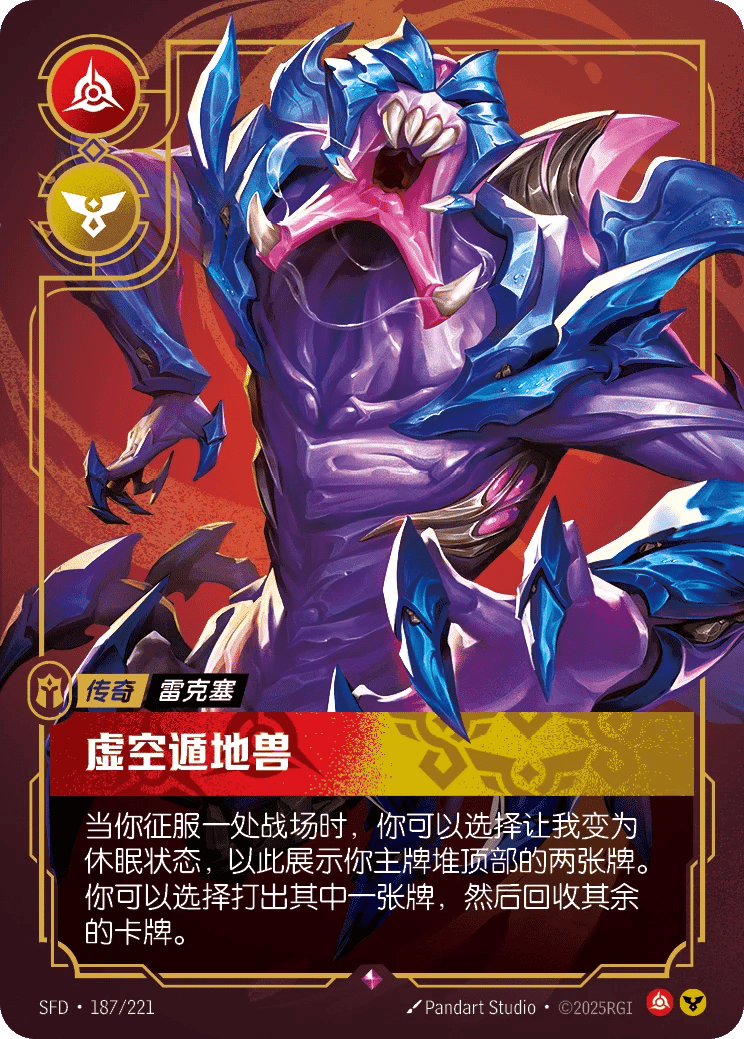
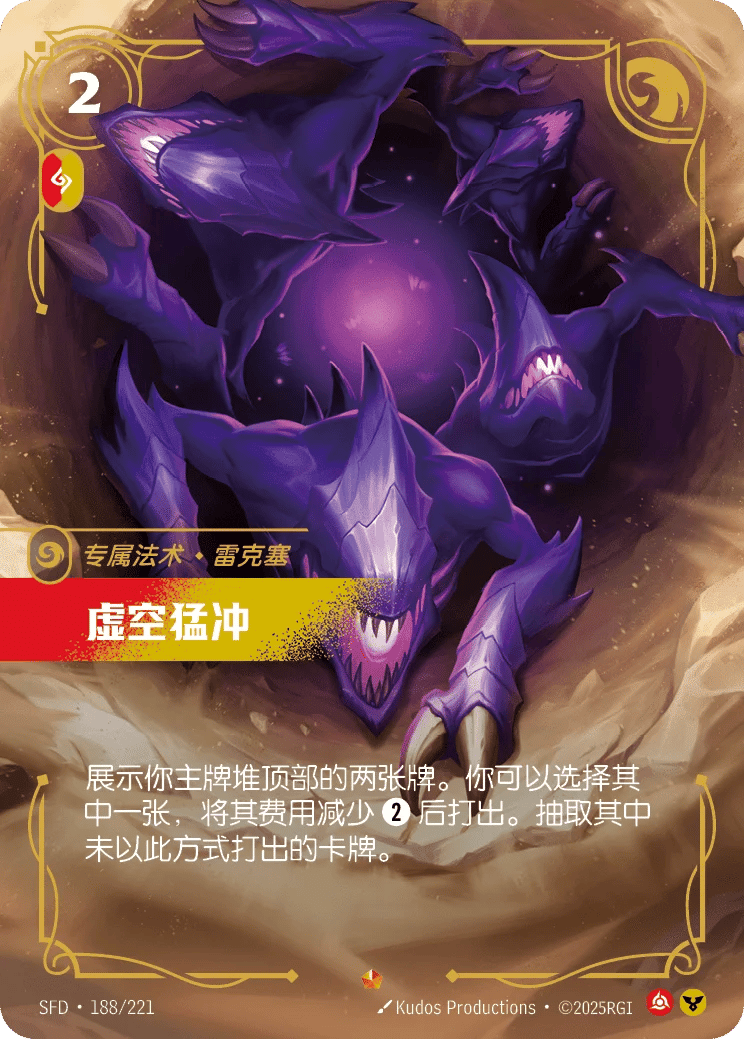
This deck works by getting lots of units out early, using cheap spells like [[Blood Rush]] or [[Cleave]] to conquer, and then using the legend or [[Void Rush]] to play cards directly from your deck instead of your hand. For this reason, we want to prioritize units who can get cheaper or who can enter ready when we're performing this loop of constant attacking. The 2 main trigger conditions this deck depends on are Legion and on reveal.
Playing the deck
Game Plan
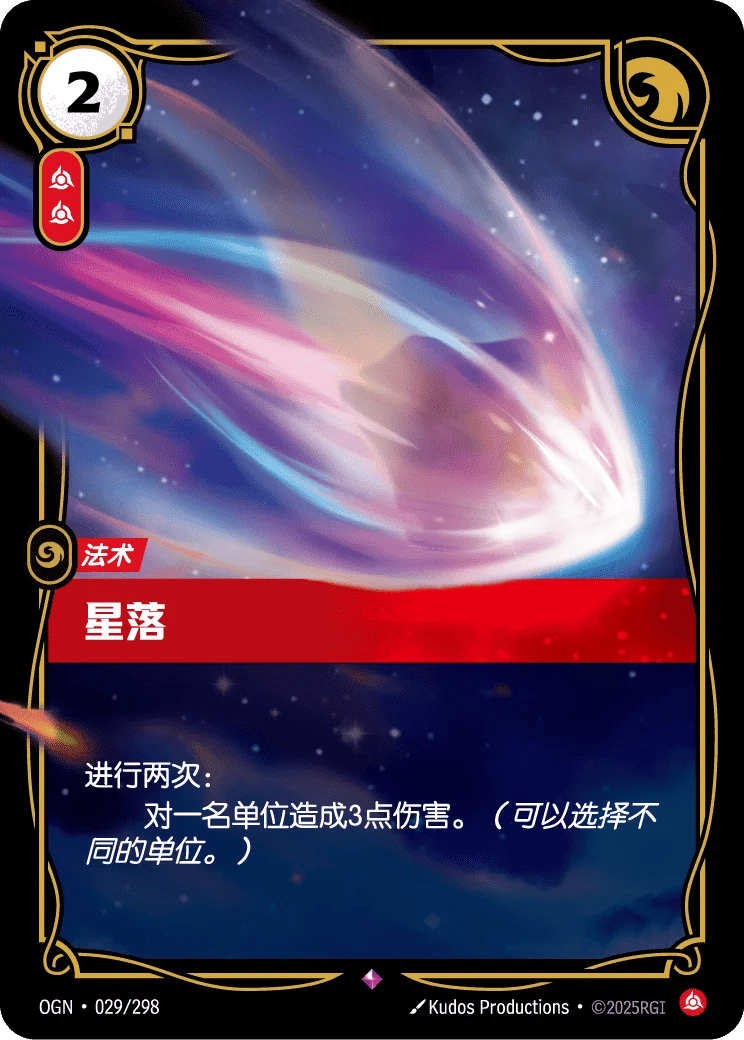
To start the game you really want to conquer as many times as possible. We have very little removal outside of cull the weak and falling star, so coming back from behind is difficult. Focus on conquering as many times as possible with as little resources as possible. This deck has a lot of ways to cheat resources, by adding energy, discounting cost, or spawning tokens. Furthermore, prioritize units with Deathknell in the early game when possible, that way when you inevitably get pushed off the battlefield you still get something for it. Deathknell effects that spawn units are particularly powerful because it helps you always keep units in your base. Use your limited removal to gain an early tempo advantage by killing key early units like [[Kaisa, Survivor]] and leverage the fact that you are far more comfortable sacrificing early units to something like [[Cull the Weak]] than most decks are.
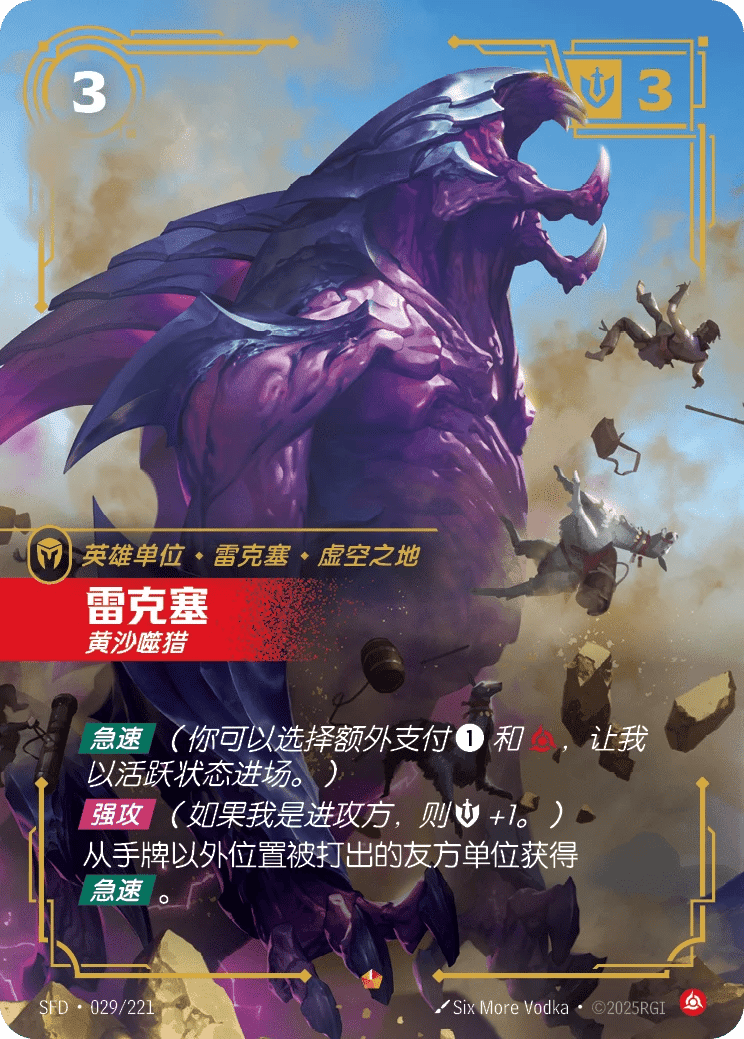
In the mid game, you want to slug it out with the opponent and sap their resources. We will likely be more efficient with our economy if we're conquering regularly. So try to knock off their big defenders, draw out spells, and soften up the board state. Using spells to turn a 1[M] recruit into a 7[M] attacker to clear out a big defender is where Rek'Sai excels. Score consistently to pressure your opponent into reacting to you instead of developing their own game plan. Rek'Sai doesn't hold well, so conquering up to 6 and then blasting onto both battlefields is usually how this deck wins. Rek'Sai also traditionaly doesn't have access to many big units, so board wipes or fights which require big units like Vilemaw will be difficult to overcome.
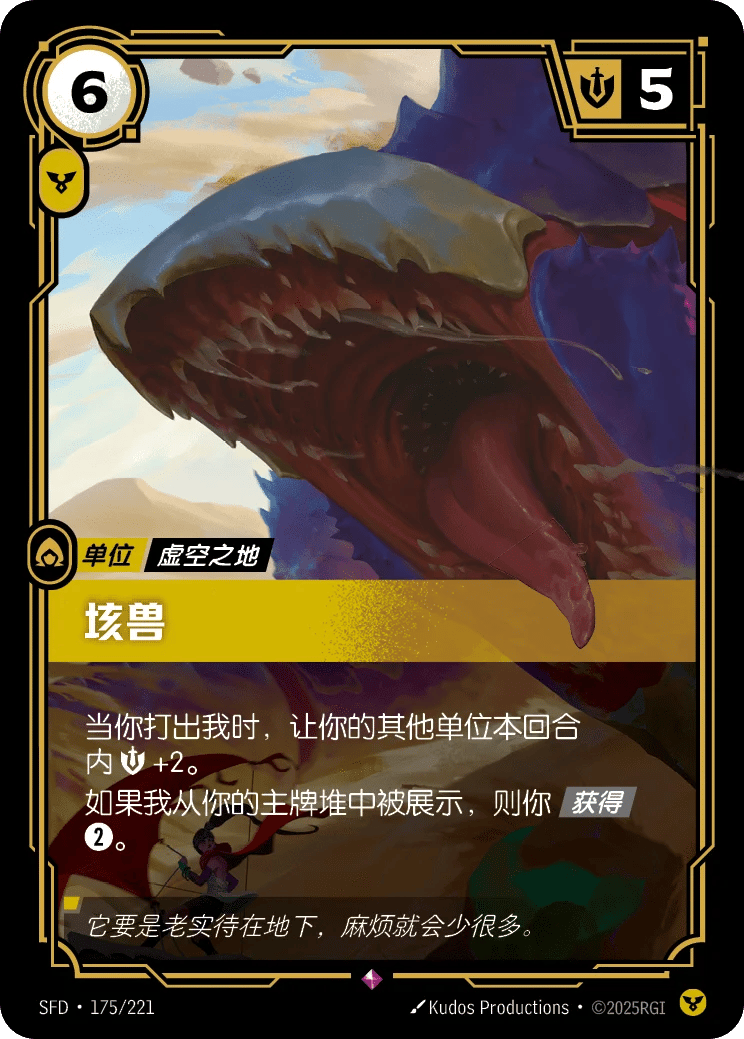
Late game, you want a big attack to swing in and conquer whatever battlefields you don't control. [[Undertitan]] is an amazing resource to close out games by buffing all your units (and this scales very well if you have many small units). Also, units which ready themselves or have Ambush are also great for skipping that usual waiting period and forcing the final fight before your opponent is prepared to stop you. If you are behind, then trying to wipe the board as hard as possible is often the best way to get that final point, since you have a much easier time getting onto battlefields than most decks. When you need to hold to win, you need to leverage your discounts to get as many of those mid-range units onto the battlefield as you can. Tokens can help too. Rek'Sai has very few reactive spells, so if your opponent tries to stun you or reduce your might or board wipe, then that's what's going to happen.
Tips and Tricks
When really desperate, you can use [[Void Rush]] or your legend to fish for an undertitan and give you much needed energy.
Often times you will want to drop a 2-cost or 3-cost unit/spell before conquering to trigger Legion on any cards you play from Legend or [[Void Rush]]
[[Void Rush]] will make units like [[Noxus Hopeful]] or [[Void Drone]] free by compounding the unit's discount with [[Void Rush]]'s discount.
If you suspect your opponent is running something like [[Baron Nashor]] or [[Elder Dragon]], hold onto that [[Cull the Weak]] as it's a much harder to stop removal than something like [[Hidden Blade]].
If you get 8-10 runes, and you don't have a solid lead, there's an 80% chance
Against some hold decks like Nasus, you might actually benefit from holding since you can get onto the battlefields in the early game easier. You build up a , and unless you fear a board wipe, they'll have a hard time generating an attack that can out fight the sheer volume of units you can generate over a couple of turns.
I often times think of [[Void Rush]] as a "trigger your legend without conquering" card. Whether you're building your base, holding, or unable to attack effectively that turn, it can stand in to keep your economy machine running when conquering isn't available.
Matchups
Game Plan
Token decks: Self-cannibalization is usually the way to go here. Most token decks run a lot of removal, so try to get lots of smaller units out to leverage your assault advantages (and basically win every fight by 1[M]) or your energy efficiency to get bigger units out that can't be one shot.
Miracle decks: It's a race! Get as many points early on as you can, and use your early game efficiency to keep them off the battlefields so by the time they get their combo it's already too late.
Hold decks: Gain a point advantage, force them to setup their defenses on whatever battlefield is harder to hold, and then build up a hold of your own. Most hold decks struggle to go on the offensive and even if they knock you off your hold, you can recapture easily most of the time. Beware of move cards (like [[Ride the Wind]] or [[Emperor's Divide]]) which can let them attack for that final point if it gets too close.
Mulligans
You REALLY want to play a unit on your first turn, so at least 1 2-cost if you're going first or 3-cost if you're going second. Units which can ready themselves or others are very powerful early on and drop off in power as the battlefields get more cluttered. So prioritize keeping those in your hand if you draw them.
I keep:
2-cost or 3-cost units
1-2 copies of Void Rush
1-2 removal spells
I mulligan:
On reveal cards, especially [[Undertitan]]
Expensive units or spells (4+ energy)
Cards that don't work in the matchup (like gear hate vs decks which don't use gear or Cull the Weak vs token decks)
You have the chance to play a lot of your deck if things are going well, so don't shy from recycling those big units. You don't want to top deck [[Undertitan]] at all costs, it's not energy efficient unless you have 3-4 units out already if it's never revealed. Getting that extra 2 energy is also massive towards developing your board faster than your opponent. Besides that, cards like [[Noxus Hopeful]] or [[Twilight Reveler]] are powerful because you can get either more might out or more early conquers. But cards like [[Void Drone]] or [[Vi, Peacekeeper]] are best played in the mid game or when revealed.
Sidedeck
I try to build my docks modularly to make sidedecking easier and more reliable. There's 2 main reason I'm sidedecking:
A card is useless in the matchup:
If the opponent runs no gear, swap out Salvage to add either another unit or a combat spell
If the opponent runs no damage spells or ambush units, swap out defensive spells (like [[Tactical Retreat]])) to add more damage spells (like [[Decree of Unity]])
If the opponent runs a tempo killer like [[Vex, Apathetic]], swap out your fast units (like [[Pyke, Dockside Butcher]]) for bigger units (like [[Escaped Greyback]]).
I need a specific counter:
If the opponent runs a lot of gear, swap out either a defensive spell (like [[Tactical Retreat]]) or a damage spell (like [[Falling Star]]) for gear hate (like [[Salvage]]).
If the opponent relies on a big late game combo, swap out slow units (like [[Kennen, Keeper of Balance]]) for faster units (like [[Pyke, Dockside Butcher]]).
If the opponent relies on trash interaction, swap out slow expensive spells (like [[Falling Star]]) to add cards that make them recycle (like [[Forge of the Future]]).
If the opponent runs big units, swap out damage spells like ([[Falling Star]]) or defensive spells (like [[Tactical Retreat]]) too add either direct removal spells (like [[Cull the Weak]] or [[Decree of Unity]]) or a stun (like [[Kennen, Keeper of Balance]])
If the opponent runs a lot of damage spells, swap out damage spells (like [[Falling Star]]) or slower units (like [[Ferrous Forerunner]]) to add more defensive spells (like [[Tactical Retreat]]) or faster units (like [[Pyke, Dockside Butcher]])





评论
共 0 条
正在加载评论……